

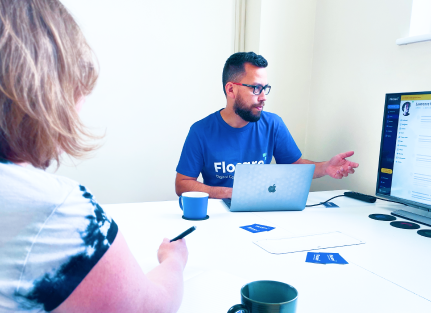
Taking care management online has clear benefits, but it also creates understandable concern about data security. Secure systems matter, but every user still plays a role in protecting sensitive information.
Strong passwords are one of the simplest and most important parts of that protection.
Why strong passwords are important
A weak or reused password can give an attacker access to systems that hold personal, operational or financial information. Passwords can also be targeted through phishing, malware or reused credentials from other breaches.
Using strong, unique passwords helps reduce the risk of unauthorised access and protects both staff and the people receiving support.
Five tips for choosing a strong password
Use enough length
Aim for at least 12 characters. Longer passwords are generally harder to guess or crack.
Add complexity
Use a mix of uppercase letters, lowercase letters, numbers and symbols. Avoid obvious personal details such as birthdays, names or organisations.
Avoid predictable patterns
Do not use sequences like 123456, password or qwerty. These are among the first guesses in many attacks.
Keep passwords unique
Do not reuse the same password across multiple systems. If one account is compromised, reused passwords can put other accounts at risk.
Consider a passphrase
A phrase made from several unrelated words can be easier to remember and still hard to guess. A password manager can also help teams create and store unique passwords safely.
Conclusion
Strong passwords are a basic but important part of safer digital working. Combined with secure systems, training and sensible access controls, they help protect care records and organisational data.